
Why Detailed Planning Is the Key to Accurate Remodeling Costs
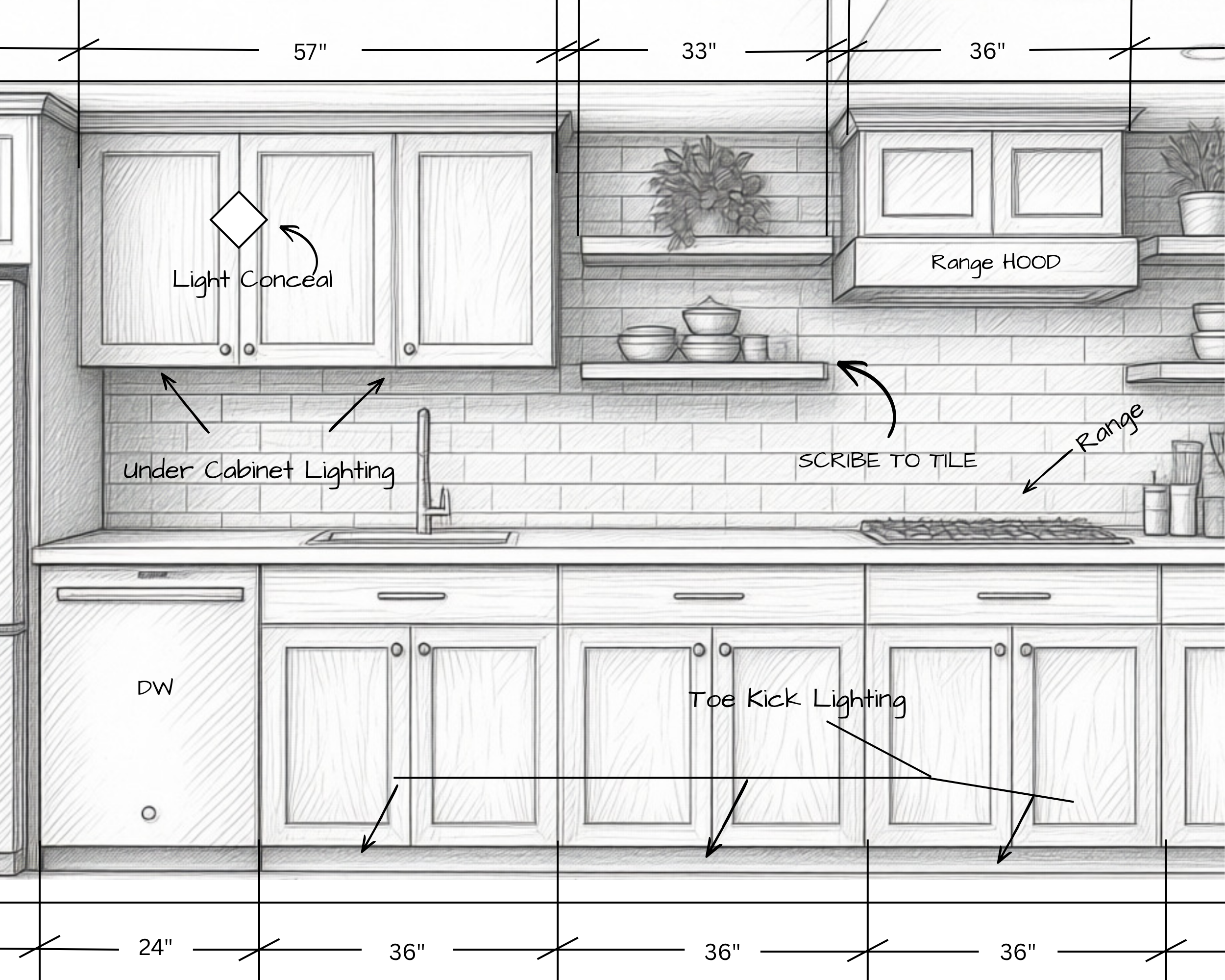
Most homeowners think the cost of a remodel is determined by finishes. Cabinets. Tile. Fixtures.
And while those things matter, they are not what determines whether your project stays on budget.
The real difference,
How well the project is planned before construction ever begins.
The Real Reason Remodel Costs Spiral Out of Control
When a remodel goes over budget, it is rarely random.
It usually comes down to one thing:
The project was not fully defined upfront.
That shows up as:
Missing scope details
Vague allowances
Undefined design decisions
Assumptions instead of clarity
On paper, everything looks fine.
But once construction starts, that is when the gaps show up.
What “Vague Planning” Actually Looks Like
Most homeowners do not realize when a project is under-planned because it is not obvious.
Here is what it often looks like:
“Allowance” for materials that have not been selected
Layout decisions still being figured out during construction
No clear plan for lighting, electrical, or plumbing details
Missing structural considerations in older homes
General scopes of work instead of detailed breakdowns
At first, this can make a proposal look more affordable.
But that is only because it is not fully defined yet.
The Hidden Cost of Not Planning Enough
When details are not figured out upfront, they do not disappear.
They show up later as:
Change Orders
Adjustments to scope after construction has started.
Delays
Work pauses while decisions are made mid-project.
Budget Increases
Upgrades and corrections that were not accounted for initially.
Frustration
Misalignment between expectations and reality.
This is where most homeowners feel like things went wrong.
Why the Lowest Bid Is Often the Least Defined
This is where detailed planning directly impacts cost.
Two contractors can look at the same space and provide completely different numbers.
Not because one is more expensive.
But because one has:
Thought through more details
Accounted for more variables
Defined the scope more clearly
And the other has not.
So the lower number often just means less has been accounted for.
What Detailed Planning Actually Looks Like
A well-planned remodel does not leave critical decisions for later.
It defines them upfront.
That includes:
A clear, finalized layout
Material selections made before construction
A detailed scope of work outlining every phase
Coordination between trades before the job begins
Identifying potential issues, especially in older homes
Instead of guessing during construction, everything is intentionally mapped out ahead of time.
How Planning Creates Cost Control
This is the part most people miss.
Planning does not increase cost. It controls it.
When your project is clearly defined:
You know what you are paying for
Fewer surprises come up
Decisions do not slow down progress
The project runs more efficiently
This leads to a more predictable and controlled investment.
Why This Matters More in Older Homes
Older homes were not built with modern layouts or systems in mind.
That means:
Outdated electrical and plumbing
Structural inconsistencies
Hidden conditions behind walls
Without proper planning, these issues surface mid-project.
With proper planning, they are anticipated and accounted for.
The Difference Between a Smooth Project and a Stressful One
At the end of the day, most remodeling problems do not come from construction.
They come from what was not figured out before construction started.
The difference between a smooth project and a stressful one is simple:
How clearly everything is defined upfront.
Let’s Plan Your Remodel the Right Way
Every successful remodel starts long before construction begins.
It starts with clarity. A clear vision for how the space should function, how it should feel, and how every detail comes together.
The projects that run smoothly and stay on track are not defined by finishes alone, but by the decisions made early, from layout and scope to materials and coordination.
If you are considering a kitchen or bathroom remodel, the first step is not selecting tile or fixtures. It is understanding what is possible for your space and how to define it properly from the start.
At Lucas Brothers Construction, our exploratory design conversations are built around that process. We help you think through your goals, refine your vision, and develop a clear plan that brings structure and confidence to your project before construction begins.
Schedule your exploratory design conversation and take the first step toward a remodel that is defined, intentional, and built to run the right way.